Convert Image to Embroidery Pattern: Step-by-Step Guide for Beginners

Table of contents
Ready to turn your favorite photos into beautiful embroidered artwork? Image to Embroidery This beginner-friendly guide walks you through each step of converting an image to an embroidery pattern, whether you prefer DIY methods or expert ones. embroidery digitizing services. Learn the best tools, recommended software, simple editing techniques, and pro tips for creating stunning custom embroidery designs. From choosing the perfect photo to stitching your final masterpiece, this tutorial makes the entire process easy, enjoyable, and accessible for every skill level.
Photo to Embroidery Pattern Made Easy: A Step-by-Step Guide
1. Introduction
Transforming a cherished photo into an embroidery pattern is a creative and meaningful way to preserve memories. Whether you want to stitch a family portrait, capture your pet’s personality, or recreate a scenic moment, modern embroidery digitizing tools and DIY techniques make the process simpler than ever. This step-by-step guide will show you exactly how to convert a photo into an embroidery design—from selecting the right image to producing a polished, professional final stitch.
2. Why Turn a Photo into an Embroidery Pattern?
Photos freeze a moment in time, but embroidery brings that moment to life with texture and warmth. Converting a picture into thread art gives your memories a handcrafted, artistic touch. It’s ideal for personalized gifts, wall art, keepsakes, and custom projects. With today’s advanced embroidery digitizing technology, even detailed photographs can be recreated in stitches—making your finished design both unique and deeply meaningful.
3. Materials and Tools You’ll Need
Before starting, gather the basics. You’ll need a high-quality photo, image-editing software (Photoshop, GIMP, Canva), and embroidery digitizing software such as SewArt, Ink/Stitch, or Embird. If you’re doing machine embroidery, have your machine, hoop, stabilizer, and thread ready. For hand embroidery, prepare your hoop, needle, fabric, and thread colors. If you’d rather skip the technical steps, many embroidery digitizing services can convert your image into a ready-to-stitch pattern.
4. Choosing the Right Photo
4.1 Why Photo Quality Matters
The clarity of your original photo has a direct impact on the final embroidery pattern. High-resolution, well-lit photos with strong contrast produce the best stitch results. Avoid blurry, shadow-heavy, or overly complex images. Clean edges and simple backgrounds help the digitizing software map stitches more accurately.
4.2 How to Select the Best Image
Choose a photo that is visually simple but emotionally strong. Portraits, pet photos, or minimal landscapes work especially well. Beginners should avoid busy backgrounds or group photos. A close-up face or a single subject usually translates into a cleaner, more detailed embroidery design.
5. Preparing the Photo for Embroidery

5.1 Cropping and Editing the Image
Begin by cropping the photo to highlight the main subject. Removing unnecessary background elements keeps the design clean and easier to digitize. Tools like Photoshop, GIMP, and Canva allow quick adjustments to contrast, exposure, and sharpness—essential steps before converting your image into stitches.
5.2 Simplifying the Image for Better Stitching
Embroidery works best with simplified details. Reduce the number of colors and smooth out overly fine textures. This helps the digitizing software generate a cleaner, more manageable pattern. For example, simplifying a sunset into a few warm, blended shades creates a realistic yet easy-to-stitch design.
5.3 Adjusting Brightness, Contrast & Color
Boosting contrast helps define edges, while adjusting brightness ensures details don’t get lost during digitizing. If the subject has dark areas—like black fur—lightening them slightly helps the stitches reveal more depth and dimension. Proper color adjustments ensure your final embroidery looks true to the original photo.
- Hat Embroidery Machine : A Complete Guide for Custom Cap Businesses
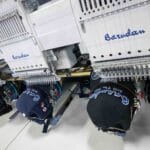 A hat embroidery machine is an essential tool for anyone looking to start or grow a custom cap embroidery business. From promotional hats to branded merchandise, embroidered caps remain one of the most in-demand products in the apparel industry. Investing in the right cap embroidery machine can significantly improve production quality, speed, and profitability. What Is a Hat Embroidery Machine? An embroidery machine is a specialized device designed to stitch logos, text, and designs onto curved surfaces, such as caps and hats. Unlike flat embroidery machines, a cap embroidery machine uses a cap frame or cap driver to hold the hat securely, ensuring accurate stitching on the front panel and sides. Why Choose a Cap Embroidery for Your Business? Using a hat embroidery allows businesses to produce professional-quality caps efficiently. Whether you are a startup or an established embroidery shop, a hat machine offers several advantages: A cap embroidery machine helps businesses meet customer expectations while reducing manual effort and errors. Key Features of a Hat Machine When selecting a hat embroidery machine, look for features that enhance productivity and quality: 1. Cap Frame Compatibility A high-quality hat embroidery machine includes durable cap frames that securely hold hats during embroidery. 2. High Stitching Speed A faster hat embroidery increases output without compromising embroidery quality. 3. User-Friendly Control Panel Modern hat machines feature intuitive touchscreens that make design setup and operation simple. 4. 3D Embroidery Support Many businesses choose a hat embroidery for 3D puff embroidery, which adds depth and a premium look to cap designs. How a Cap Embroidery Machine Increases Profitability A cap embroidery machine allows businesses to expand their product offerings and serve more clients. Custom embroidered hats are popular for: With a hat embroidery machine, you can complete orders faster, maintain consistent quality, and increase customer satisfaction—leading to repeat business and higher profits. Who Should Invest in a Cap Embroidery Machine? A cap embroidery machine is ideal for: If caps and hats are part of your product lineup, a cap embroidery machine is a valuable long-term investment.
 - 5 Essential Tips for Mastering Embroidery and Sewing
 Embroidery and sewing represent timeless crafts that blend creativity with precision, transforming ordinary fabrics into extraordinary works of art. Whether you’re searching for “embroidery near me” or exploring the world of machine embroidery, mastering these skills opens endless possibilities for personal expression and professional craftsmanship. At Embroidery Ocean, we understand the journey from beginner to expert requires guidance, quality materials, and proven techniques that stand the test of time. Understanding the Foundation of Embroidery and Sewing The art of embroidery has evolved dramatically, with 2025 bringing exciting trends like geometric patterns, 3D embroidery, and innovative digital techniques. Before diving into advanced methods, establishing a solid foundation in both hand embroidery and machine embroidery ensures long-term success. Modern embroiderers benefit from understanding traditional techniques while embracing contemporary tools and materials. Contemporary embroidery combines heritage craftsmanship with modern innovation. Today’s artists seamlessly blend hand embroidery techniques with machine embroidery capabilities, creating pieces that honor tradition while pushing creative boundaries. This fusion approach allows for greater flexibility in project execution, whether working on custom embroidery services or personal artistic endeavors. Tip 1: Choose the Right Embroidery Fabric and Materials Selecting appropriate embroidery fabric forms the cornerstone of successful projects. Natural fabrics like cotton, linen, silk, and wool provide excellent foundations for both hand embroidery and machine embroidery work. Quilter’s cotton stands out as particularly versatile for simple to intermediate projects, offering stability and ease of handling. Fabric Selection Guidelines: Thread selection significantly impacts final results. High-quality embroidery threads, including rayon, polyester, and cotton varieties, each offer unique characteristics. Machine embroidery thread should match your project’s requirements, considering factors like sheen, durability, and colorfastness. For hand embroidery products, stranded cotton floss provides versatility through adjustable thickness. Essential embroidery materials extend beyond fabric and thread. Quality embroidery hoops, sharp needles appropriate for your chosen technique, and proper stabilizers ensure professional results. Investing in premium embroidery supplies prevents frustration and produces lasting, beautiful work that showcases your developing skills. Tip 2: Master Your Embroidery Machine Maintenance Proper embroidery machine maintenance prevents costly repairs and ensures consistent, high-quality results. Daily and weekly maintenance routines keep your equipment operating smoothly, whether you’re running a home embroidery machine or commercial equipment. Daily Maintenance Essentials embro design: Weekly Maintenance Protocol: Professional servicing annually or every 1,500-2,000 hours of use maintains optimal performance. Certified technicians update firmware, deep-clean internal components, and identify potential issues before they become major problems. This preventative approach protects your investment and ensures reliable operation for years to come. Tip 3: Perfect Your Applique Embroidery Technique Applique embroidery combines fabric layering with decorative stitching, creating dimensional designs that add texture and visual interest to projects. This technique works beautifully for both machine embroidery and hand embroidery applications, offering versatility across various project types. Applique Process Steps: Modern stick and stitch embroidery patterns simplify applique preparation, allowing beginners to achieve professional results. These innovative materials eliminate complex tracing and cutting steps, making applique embroidery accessible to crafters at all skill levels. Successful applique embroidery requires understanding fabric behavior and stitch density. Lightweight fabrics need less dense stitching to prevent distortion, while heavier materials can support more elaborate designs. Practice on scrap materials helps develop the judgment needed for perfect fabric and thread combinations. Tip 4: Explore Advanced Embroidery Techniques and Patterns Expanding your embroidery repertoire involves exploring diverse techniques that push creative boundaries. Thread art and textile arts offer sophisticated approaches that elevate basic embroidery into gallery-worthy pieces. Understanding these advanced methods opens new avenues for artistic expression and commercial applications. Advanced Techniques to Master: Contemporary embroidery patterns increasingly incorporate mixed media elements, combining traditional stitching with fabric paint, beads, and other embellishments. This interdisciplinary approach reflects current trends in textile arts, where boundaries between techniques blur in the service of creative vision. Digital design tools enable embroiderers to create custom patterns perfectly suited to specific projects. Software solutions allow for precise scaling, density adjustments, and fabric-specific optimizations that ensure optimal results across different materials and applications. Tip 5: Build Your Embroidery Network and Resources Developing connections within the embroidery community provides invaluable support, inspiration, and practical resources for growing your skills. Local embroidery services, sewing circles, and online communities offer diverse perspectives and solutions to common challenges. Finding Local Resources: Online resources expand learning opportunities beyond geographical limitations. Video tutorials, digital patterns, and virtual workshops provide flexible learning options that fit busy schedules. Social media platforms connect embroiderers worldwide, fostering creative exchange and technical support. Building relationships with local embroiderers creates opportunities for collaborative projects, skill sharing, and mutual support. Many experienced embroiderers offer mentorship or informal guidance to newcomers, helping accelerate learning curves while preserving traditional techniques. Creating Your Embroidery Journey Mastering embroidery and sewing represents a lifelong journey of continuous learning and creative exploration. Each project builds upon previous experiences, developing both technical skills and artistic vision. The combination of traditional techniques with modern tools and materials offers endless possibilities for personal expression and professional development. Starting with quality embroidery supplies and proper techniques establishes foundations that support advanced work later. Investing time in understanding fabric behavior, thread characteristics, and machine capabilities pays dividends through improved results and reduced frustration. Regular practice combined with thoughtful project selection accelerates skill development while maintaining enthusiasm for the craft. Whether pursuing embroidery as a relaxing hobby, artistic medium, or commercial venture, the principles of quality materials, proper technique, and continuous learning remain constant. The embroidery community welcomes newcomers warmly, offering support and encouragement throughout the learning process. Remember that every expert embroiderer began as a beginner, facing similar challenges and learning curves. Patience with yourself and your developing skills allows for natural progression that builds confidence alongside capability. Celebrate small victories while maintaining perspective on long-term growth and artistic development. The world of embroidery and sewing offers rich rewards for those who approach it with curiosity, dedication, and openness to both traditional wisdom and innovative techniques. Your embroidery journey begins with the first stitch, leading to countless hours of creative satisfaction and beautiful, lasting results that showcase […]
 - Convert Image to Embroidery Pattern: Step-by-Step Guide for Beginners
 Ready to turn your favorite photos into beautiful embroidered artwork? Image to Embroidery This beginner-friendly guide walks you through each step of converting an image to an embroidery pattern, whether you prefer DIY methods or expert ones. embroidery digitizing services. Learn the best tools, recommended software, simple editing techniques, and pro tips for creating stunning custom embroidery designs. From choosing the perfect photo to stitching your final masterpiece, this tutorial makes the entire process easy, enjoyable, and accessible for every skill level. Photo to Embroidery Pattern Made Easy: A Step-by-Step Guide 1. Introduction Transforming a cherished photo into an embroidery pattern is a creative and meaningful way to preserve memories. Whether you want to stitch a family portrait, capture your pet’s personality, or recreate a scenic moment, modern embroidery digitizing tools and DIY techniques make the process simpler than ever. This step-by-step guide will show you exactly how to convert a photo into an embroidery design—from selecting the right image to producing a polished, professional final stitch. 2. Why Turn a Photo into an Embroidery Pattern? Photos freeze a moment in time, but embroidery brings that moment to life with texture and warmth. Converting a picture into thread art gives your memories a handcrafted, artistic touch. It’s ideal for personalized gifts, wall art, keepsakes, and custom projects. With today’s advanced embroidery digitizing technology, even detailed photographs can be recreated in stitches—making your finished design both unique and deeply meaningful. 3. Materials and Tools You’ll Need Before starting, gather the basics. You’ll need a high-quality photo, image-editing software (Photoshop, GIMP, Canva), and embroidery digitizing software such as SewArt, Ink/Stitch, or Embird. If you’re doing machine embroidery, have your machine, hoop, stabilizer, and thread ready. For hand embroidery, prepare your hoop, needle, fabric, and thread colors. If you’d rather skip the technical steps, many embroidery digitizing services can convert your image into a ready-to-stitch pattern. 4. Choosing the Right Photo 4.1 Why Photo Quality Matters The clarity of your original photo has a direct impact on the final embroidery pattern. High-resolution, well-lit photos with strong contrast produce the best stitch results. Avoid blurry, shadow-heavy, or overly complex images. Clean edges and simple backgrounds help the digitizing software map stitches more accurately. 4.2 How to Select the Best Image Choose a photo that is visually simple but emotionally strong. Portraits, pet photos, or minimal landscapes work especially well. Beginners should avoid busy backgrounds or group photos. A close-up face or a single subject usually translates into a cleaner, more detailed embroidery design. 5. Preparing the Photo for Embroidery How to Turn a Photo into an Embroidery Pattern: Complete Step-by-Step Guide 5.1 Cropping and Editing the Image Begin by cropping the photo to highlight the main subject. Removing unnecessary background elements keeps the design clean and easier to digitize. Tools like Photoshop, GIMP, and Canva allow quick adjustments to contrast, exposure, and sharpness—essential steps before converting your image into stitches. 5.2 Simplifying the Image for Better Stitching Embroidery works best with simplified details. Reduce the number of colors and smooth out overly fine textures. This helps the digitizing software generate a cleaner, more manageable pattern. For example, simplifying a sunset into a few warm, blended shades creates a realistic yet easy-to-stitch design. 5.3 Adjusting Brightness, Contrast & Color Boosting contrast helps define edges, while adjusting brightness ensures details don’t get lost during digitizing. If the subject has dark areas—like black fur—lightening them slightly helps the stitches reveal more depth and dimension. Proper color adjustments ensure your final embroidery looks true to the original photo.
 - Stitching Fandom: The Rise and Influence of Anime Embroidery Design in Creative Communities
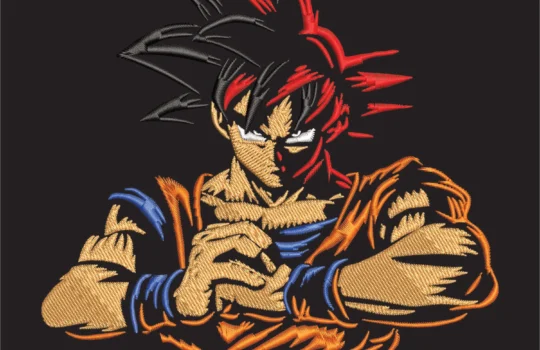
 Anime Embroidery Overview Anime embroidery designs have emerged as a trend among anime enthusiasts, crafting hobbyists, and cosplay creators alike. This art form allows individuals to express their love for their favorite series, characters, and themes through intricate needlework. Whether you are looking to embellish clothing, accessories, or cosplay outfits, embroidery offers a unique way to showcase your passion. This section will explore the key aspects of anime embroidery, its growing popularity, the skills required, and the opinions of users immersed in this creative pursuit. Pros and Cons of Anime Embroidery Designs User Insights and Experiences Reviews on platforms like Reddit and Trustpilot show a thriving community sharing their experiences with anime embroidery. For example, a user on Reddit noted, “I started embroidering my favorite character patches, and it’s been such a rewarding experience. My friends loved the custom designs I made for them!” This reflects the strong community engagement and positive reception of personalized embroidery projects. However, not all experiences are seamless. An individual on G2 commented, “I struggled to find good quality patterns. Some sites have a limited selection and it can be frustrating when you want something specific.” This highlights a common challenge among crafters seeking unique designs. Data-Driven Insights According to a report by the Craft and Hobby Association, the crafting industry has seen significant growth, with over 60% of Americans engaging in some form of crafting. Within this sector, embroidery in niche markets, like anime, has garnered increasing interest, evidenced by the rise in social media groups and the dissemination of handmade designs on platforms like Etsy. Platform Highlights Reddit User discussions reveal frequent sharing of designs and tutorials, fostering a supportive learning environment. G2 Users express a desire for a broader range of design patterns and better resources for those new to embroidery. Trustpilot Satisfaction rates are high among users who found valuable resources for patterns and tips for enhancement. Overall, anime embroidery designs provide a creative outlet for expressing fandom while enhancing crafting skills. While challenges exist in accessing high-quality designs and resources, the supportive community and varied projects foster a fulfilling experience for enthusiasts. Techniques and Materials for Anime Embroidery Designs Anime embroidery designs blend creativity and technical skill, allowing enthusiasts, hobbyists, and cosplayers to express their passion through intricate and vibrant artworks. This section delves into the techniques and materials essential for crafting stunning anime-themed embroidery, supported by real-world examples, user experiences, and expert analyses. Key Techniques for Anime Embroidery When it comes to anime embroidery, several techniques can be employed to achieve detailed designs. Each technique offers unique advantages, catering to different skill levels and project requirements. Essential Materials for Anime Embroidery Choosing the right materials can significantly impact the quality of the final product. Below are some essential materials commonly used in anime embroidery: User Reviews and Insights User experiences from platforms like Reddit and Trustpilot provide valuable insights into the world of anime embroidery. Data-Driven Insights An industry report from Statista indicates that the global embroidery market is projected to reach $7.4 billion by 2026, highlighting the growing interest in decorative arts, including anime embroidery. Furthermore, a survey on crafting forums revealed that 72% of users reported improving their skills through anime-themed projects. Technique Pros Cons Machine Embroidery Fast, precise, consistent results Initial cost of equipment Hand Embroidery Control over detail, personalized touch Time-consuming, requires practice Appliqué Adds depth, versatile design option Can be bulky, requires careful stitching In conclusion, the intersection of anime fandom and embroidery crafting opens a world of creative opportunity, supported by a community eager to share techniques, tools, and experiences, allowing enthusiasts to bring their favorite characters to life through personalized embroidery. Design Inspirations for Anime Embroidery Designs The world of anime embroidery designs opens up vibrant avenues for artistic expression, blending the passion for anime with the tactile craft of embroidery. Whether it’s a simple embellishment or a complex piece for cosplay, anime-themed embroidery allows enthusiasts to create personalized artworks that reflect their favorite characters and series. In this section, we explore various sources of inspiration, current trends, and practical applications within the community. Pros and Cons of Anime Embroidery Designs User Reviews and Experiences Exploring user sentiments on forums and review platforms provides insight into the community’s experiences with anime embroidery designs. A sample of user reviews highlights both the enthusiasm and challenges they face: The exploration of anime embroidery designs reveals a vibrant community of enthusiasts dedicated to merging their love of anime with the art of needlework. From intricate designs to bold, creative expressions, these embroideries not only represent favorites but also serve as a creative outlet and skill-building journey for many crafting hobbyists and cosplayers alike. Where to Find Anime Embroidery Finding quality anime embroidery designs can be both exciting and overwhelming given the plethora of resources available today. From online marketplaces to specialized craft stores, anime embroidery offers fans and enthusiasts a unique way to express their passion through crafting. Whether you are an anime enthusiast, a crafting hobbyist, or a cosplay creator, there are numerous avenues to explore for obtaining stunning embroidery designs that suit your needs. In considering these resources, it’s important to weigh the pros and cons of each option: User Insights and Reviews Insights from users across platforms such as Reddit, G2, and Trustpilot reveal a variety of experiences when sourcing anime embroidery designs. For example, a user on Reddit commented: “I found an amazing Totoro design on Etsy that made my project stand out! The seller also provided excellent customer service.” – @animefan23 On the flip side, some users express concerns about quality. One review on Trustpilot mentioned: “I bought a digital design that didn’t stitch out well; the details were too fine for my machine. Make sure to check reviews before purchasing!” – @craftingguru A survey conducted among crafting enthusiasts indicated that 65% of respondents prefer purchasing digital patterns for their convenience, while 35% prefer physical patterns obtained through local stores or at conventions. This trend highlights the growing preference […]
 - Unleash Your Creativity: Free Spider-Man Embroidery Designs You Can’t Miss!
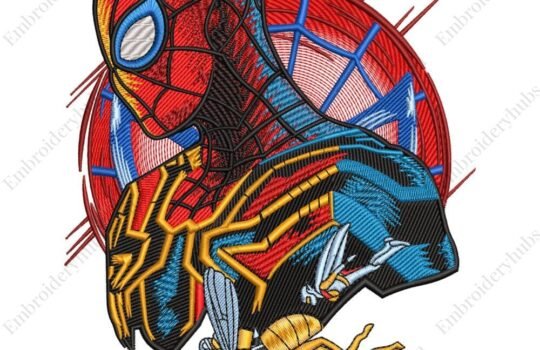
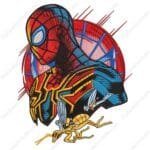 Unleash Your Creativity: Free Spider-Man Embroidery Designs You Can’t Miss! Are you ready to weave some magic into your embroidery projects? Look no further! In this article, we bring you an exciting collection of free Spider-Man embroidery designs that will unleash your creativity like never before. Whether you’re a seasoned embroiderer or just starting your crafting journey, these vibrant and dynamic patterns are perfect for adding a touch of superhero flair to your fabric creations. From intricate web patterns to iconic Spidey poses, each design captures the essence of this beloved character. So grab your embroidery hoop and threads, and get ready to embark on a crafting adventure that celebrates creativity and fandom. Let’s dive into these must-have designs you simply can’t miss! The Popularity of Spider-Man in Crafting Spider-Man, the web-slinging superhero from the Marvel universe, has captured the hearts and imaginations of fans worldwide. From comic books to blockbuster movies, Peter Parker’s alter ego has become a cultural icon. This popularity extends far beyond traditional media and into the world of crafting. Enthusiasts of all ages find joy in creating Spider-Man-themed projects, which allow them to express their love for the character in a tangible form. The vibrant colors, dynamic poses, and intricate web patterns associated with Spider-Man make for visually stunning embroidery designs that are as fun to craft as they are to admire. Crafting, and embroidery in particular, has seen a significant rise in popularity over the past few years. Embroidery provides a creative outlet that combines the satisfaction of creating something by hand with the therapeutic benefits of repetitive, mindful activity. Spider-Man designs bring an extra layer of excitement to the craft, as crafters can replicate their favorite scenes or bring new creative interpretations to life. Whether it’s incorporating Spider-Man into home decor, fashion, or accessories, the versatility of embroidery allows for endless possibilities. The community around Spider-Man crafting is vibrant and supportive, with countless forums, social media groups, and online platforms dedicated to sharing patterns, tips, and completed projects. This collective enthusiasm not only fuels creativity but also fosters a sense of belonging among crafters. When you create a Spider-Man embroidery piece, you’re not just making art; you’re joining a global community of fans who share your passion for this beloved superhero. Benefits of Embroidering Spider-Man Designs Embroidering Spider-Man designs offers numerous benefits that go beyond the simple joy of crafting. For starters, it’s an excellent way to enhance your embroidery skills. Spider-Man patterns often involve intricate details, such as the webbing on his suit or the dynamic poses he’s known for. These elements challenge embroiderers to refine their techniques, from mastering different stitches to achieving precise color changes. As you work on these designs, you’ll find your overall embroidery proficiency improving. Another significant benefit is the therapeutic aspect of embroidery. Engaging in a creative activity such as this can be incredibly relaxing and meditative. The repetitive motion of stitching can help reduce stress and anxiety, providing a mental break from the hustle and bustle of daily life. Focusing on a project that you’re passionate about, like creating Spider-Man designs, can also boost your mood and provide a sense of accomplishment once the project is completed. Moreover, Spider-Man embroidery designs can serve as fantastic personalized gifts. Whether it’s a custom t-shirt for a young fan, a unique pillowcase, or a framed piece of art, handmade items carry a special significance. They show that you’ve invested time and effort into creating something unique. Additionally, these projects can be a great way to introduce children to the world of crafting. Working on a Spider-Man design together can be a fun and educational activity, teaching them patience, coordination, and creativity. Where to Find Free Spider-Man Embroidery Patterns Finding free Spider-Man embroidery patterns has never been easier, thanks to the wealth of resources available online. Many websites and online communities dedicated to embroidery offer free patterns for download. Websites such as Pinterest, for example, are treasure troves of free designs. Simply searching for “free Spider-Man embroidery patterns” can yield hundreds of results, showcasing a variety of styles and difficulty levels. These patterns are often shared by fellow crafters who are passionate about spreading the joy of embroidery. Another excellent resource is embroidery-focused social media groups on platforms like Facebook and Instagram. These communities frequently share patterns, tips, and inspiration. Joining these groups allows you to connect with other Spider-Man enthusiasts and even request specific designs if you can’t find exactly what you’re looking for. Many members are more than willing to share their creations and help others in their crafting journeys. Don’t overlook the value of embroidery blogs and websites dedicated to crafting tutorials. Many of these sites offer free patterns as part of their content. Some even provide detailed instructions and step-by-step guides to help you get started. Websites like Urban Threads, Embroidery Library, and even Etsy (where some artists offer free samples) are fantastic places to explore. By taking advantage of these resources, you can build a diverse collection of Spider-Man designs to suit any project you have in mind. Tips for Choosing the Right Fabric and Thread Selecting the appropriate fabric and thread is crucial for achieving the best results in your Spider-Man embroidery projects. The right materials will not only enhance the final look of your design but also make the embroidery process smoother and more enjoyable. When it comes to fabric, consider the purpose of your project. If you’re creating something wearable, like a t-shirt or a hoodie, choose a fabric that is durable and easy to work with, such as cotton or a cotton blend. For home decor items like pillows or wall art, a sturdier fabric like linen or canvas can provide the necessary support for intricate designs. Thread choice is equally important. Embroidery floss is the most common type of thread used for hand embroidery. It’s available in a wide range of colors, allowing you to capture the vibrant hues of Spider-Man’s suit. When selecting thread, look for high-quality […]